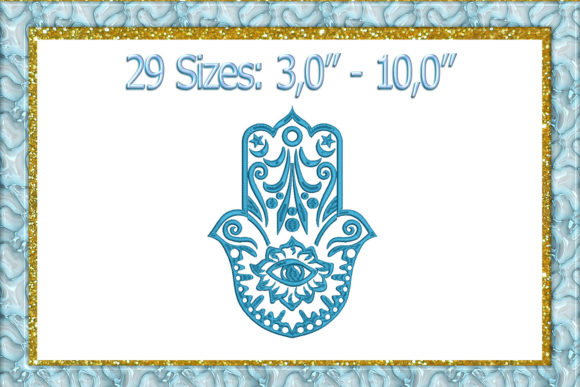
Hamsa Embroidery Design Review
The First Impression of Hamsa
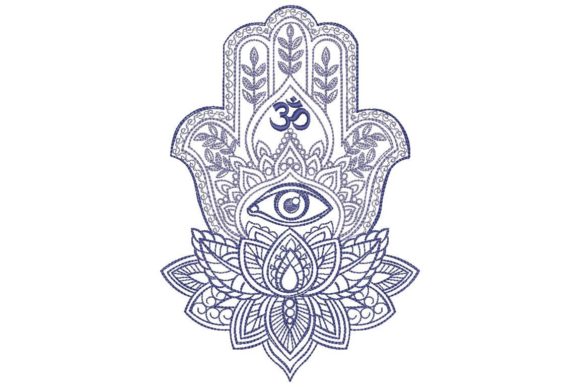
As a designer who’s worked with countless machine embroidery designs, Hamsa immediately stands out for its elegance and balance. The shape is symmetrical yet organic, with a central eye surrounded by delicate fingers that feel both protective and inviting. It has a spiritual and cultural resonance that feels timeless, making it a strong choice for handmade products or personalized gifts.
The design layout is clean, with enough detail to be visually interesting without being overwhelming. It’s ideal for projects that need a subtle but meaningful touch, like baby items, holiday decorations, or home decor. The level of detail suggests it could be used as an applique design or with a combination of satin stitch, fill stitch, and running stitch to bring out the texture.
Real-World Use Cases for Hamsa
Imagine you’re preparing a custom embroidered tote bag for a client who wants something unique and meaningful. Hamsa would work perfectly as a centerpiece on the front. It adds a sense of calm and beauty, which fits well with the idea of a reusable, everyday item that also carries personal significance.
For a sweatshirt embroidery project, Hamsa could be placed on the sleeve or back. It’s not too large, so it won’t overwhelm the garment, but it’s still noticeable enough to make a statement. When stitched onto a cotton or blend fabric, it looks polished and professional, which is exactly what a small shop product or Etsy listing needs to stand out.
In a baby item, such as a onesie or blanket, Hamsa can serve as a gentle reminder of protection and love. It’s simple enough to be safe for little ones, yet detailed enough to be appreciated by parents looking for something special.
Where Hamsa Shines in Embroidery Projects
Hamsa is versatile enough to work across multiple mediums. As an embroidered patch, it would look great on jackets, backpacks, or even as a decorative element on a cap. Its size and shape make it suitable for a medium hoop, which is convenient for most home embroidery machines.
When used as a digital embroidery file, it can be scaled appropriately for different applications. Whether you’re creating printable mockups for a craft fair booth or designing for a boutique brand, Hamsa offers flexibility without sacrificing quality.
For commercial embroidery projects, Hamsa has the potential to become a signature design. Its visual appeal and cultural relevance can help build brand recognition, especially if it’s consistently used across a line of products.
Areas to Be Cautious With
While Hamsa is a beautiful design, it may not be ideal for all fabrics or project types. On thin or stretchy materials, the stitches might pull or distort, so using the right stabilizer is essential. For dark fabrics, the thread colors need to contrast well to ensure visibility and clarity.
If you're planning to use Hamsa on a curved surface like a cap or a hat, you’ll need to adjust the hoop size and possibly modify the design slightly to maintain its shape. Tiny details, like the edges of the fingers, might get lost on smaller hoop sizes, so testing on scrap fabric first is a good idea.
When working with layered garments or textured fabrics, Hamsa may not sit as smoothly as it would on a flat, smooth surface. This could affect the overall appearance of the finished product, so it's worth considering before committing to a larger project.
How Hamsa Affects Visual Appeal and Customer Perception
Hamsa has the potential to elevate the visual appeal of any product it’s used on. Its intricate lines and balanced composition make it a strong choice for handmade products that aim to stand out. Customers often respond positively to designs that feel meaningful or artistic, and Hamsa delivers on both counts.
From a practical standpoint, using Hamsa can increase the perceived value of a product. It adds a level of craftsmanship that customers associate with quality and care. This is especially important for Etsy sellers or small shop owners looking to differentiate their offerings in a competitive market.
When used in personalized gifts or custom apparel, Hamsa can create a stronger emotional connection between the product and the recipient. It’s not just a design—it’s a symbol that can carry deep meaning, which makes it more memorable and valuable.
Practical Designer Notes for Working With Hamsa
Before using Hamsa in your next project, test it on scrap fabric to see how it looks with your chosen thread colors. Pay attention to the stitch density—too dense, and it might cause puckering; too light, and the details might not show up clearly.
Check the hoop size required for your machine and make sure it’s compatible with the design dimensions. If you’re working with a tight deadline, having a backup plan for alternative designs is always a good idea.
For commercial use, confirm the licensing terms before selling finished items or digital products. Even if Hamsa is intended for personal use, it’s better to be safe than sorry when it comes to intellectual property.
Finally, consider how Hamsa will look in black and white mockups. This can help you assess its versatility and ensure it works well across different fabric colors and backgrounds.