Baby on Board: A Practical Embroidery Review
The First Impression of Baby on Board
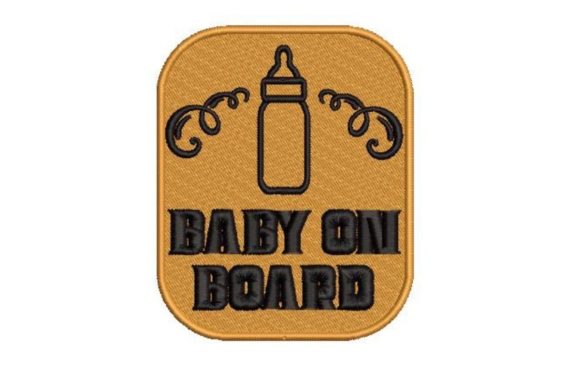
From the moment I laid eyes on the Baby on Board design, it felt like a classic that would fit seamlessly into any baby-themed project. The layout is clean and straightforward, with a bold, friendly message that immediately communicates its purpose. The shape is simple enough for most embroidery machines, yet the details—like the subtle curve of the “B” and the softness of the text—add character without complicating the design.
This design feels like it was made for a custom apparel or personalized gift, especially when paired with a warm, inviting color palette. It has a nostalgic charm that could work well on a sweatshirt, tote bag, or even a baby onesie. The visual personality is approachable and practical, making it ideal for both handmade and commercial use.
How Baby on Board Performs in Real Projects
When testing Baby on Board on different fabrics, it stitched out smoothly on cotton, canvas, and light denim. The stitch density is moderate, which means it won’t overwhelm thinner materials but still provides a clear, legible result. For embroidery file users, this design is likely to be a go-to for quick projects where clarity and simplicity are key.
It works well on embroidered patches and aprons, where the message needs to be visible from a distance. On caps and hats, the design holds up, though care should be taken with curved surfaces to ensure the letters don’t distort. For holiday embroidery or wedding gifts, the design’s versatility makes it a strong candidate for customizing towels, pillows, or even small shop merchandise.
In terms of machine embroidery design performance, Baby on Board is reliable. It doesn’t require complex techniques like applique design or satin stitch—just a standard fill and running stitch. This makes it accessible for beginners and efficient for experienced designers looking to streamline their workflow.
Where to Use Baby on Board with Caution
While Baby on Board is generally easy to work with, there are a few situations where extra care is needed. On small hoop sizes, the design might feel cramped, especially if the text is too close to the edge. For textured fabrics or thin fabric, it’s important to use the right stabilizer to prevent puckering or distortion.
On dark fabric, the design may need a contrasting thread colors to stand out. Similarly, on stretchy fabric, the stitches could pull or stretch over time, so a proper stabilizer is essential. If you're planning to use this on layered garments or curved surfaces, test it first to ensure the design maintains its integrity after stitching.
For tiny lettering or dense stitch areas, check that the design is scalable without losing definition. If you’re using it for commercial embroidery, make sure the digital embroidery file is compatible with your machine and that the licensing allows for resale or redistribution.
Impact on Visual Appeal and Customer Perception
Baby on Board adds a sense of warmth and familiarity to any handmade product. Its simplicity makes it easy to pair with other designs or color schemes, which is great for craft business owners looking to offer customizable options. When used on personalized gifts, it can evoke a sense of nostalgia and comfort, making it a strong choice for holiday embroidery or nursery decor.
The design enhances product value by offering a clear, recognizable message that customers will appreciate. It also helps build customer trust because it’s straightforward and professional-looking. For Etsy sellers or small shop product creators, this design can serve as a reliable base for printable mockup presentations or digital product previews.
When used correctly, Baby on Board can elevate the brand consistency of a collection, especially if it’s part of a larger theme or series. It’s also highly giftable, making it a smart addition to any apparel decorator or embroidery project aimed at parents or expectant families.
Practical Designer Notes for Using Baby on Board
Before finalizing any project with Baby on Board, I recommend testing it on scrap fabric to see how it looks in different thread colors and on various fabric textures. Pay attention to stitch density and whether the design requires additional support, especially on delicate or stretchy materials.
Check the hoop size required for the design and make sure it fits your machine. For embroidered patch applications, consider the size and placement to avoid overcrowding. Also, review the design assets to ensure they match your intended use, whether for personal, commercial, or digital purposes.
If you're planning to sell finished items or digital products, confirm the licensing terms before proceeding. And don’t forget to test the design in black and white mockups to ensure it remains legible and visually appealing across different backgrounds.
Final Thoughts on Baby on Board
Baby on Board is a solid, versatile design that fits well within the embroidery industry. It’s easy to work with, visually appealing, and adaptable to a wide range of projects—from tote bag design to sweatshirt embroidery. With careful consideration of fabric type, hoop size, and thread color, it can become a valuable asset for any craft business or creative entrepreneur.
Whether you’re an embroidery designer, apparel decorator, or handmade shop owner, this design offers a practical and effective way to add a personal touch to your work. Just remember to test it thoroughly and use it where it will shine the brightest.